Every successful fitness brand has a highlight reel, packed classes, community buzz, big milestones. fast growth. But what you don’t often see are the years of trial and error, the systems built behind the scenes, and the hard lessons learned along the way.
In a recent episode of the Geronimo Unfiltered podcast, Fitstop founder Peter Hull spoke candidly about taking Fitstop from one small studio in Brisbane to a global network of more than 170 locations. It wasn’t a story about overnight success but rather a story about structure, persistence, leadership, and learning how to scale something real.
We’ve unpacked the biggest takeaways for anyone considering franchise ownership in 2026 and what they mean in practical terms.
1. A Great Workout Doesn’t Automatically Make a Great Franchise
One of the biggest misconceptions in the fitness industry is that a popular gym equals a scalable business…it doesn’t. Many independent studios build strong communities and deliver great sessions, but that alone doesn’t mean the model can be replicated beyond one location, let alone 10, 50 or 100 times.
Franchising isn’t just about having a strong brand or a great training program. It’s about having:
- Repeatable systems
- Structured processes
- Consistent standards
- Scalable support
Early Fitstop success wasn’t built on luck; it was built on learning how to turn one high-performing location into a framework other owners could follow. For franchise owners, this matters. You’re not buying a workout or a marketing plan, which so many competitors are just that. With Fitstop you’re joining a business model and the strength of that model will always matter more than how popular a single location happens to be.
2. Systems Beat Motivation Every Time
Passion can start a business and systems are what grow it. One of the clearest themes from the conversation was that sustainable scale only happens when everything behind the scenes is structured and repeatable.
In a franchise environment that includes:
- Standardised programming
- Coach education and accreditation
- Marketing frameworks
- Technology platforms
- Operational playbooks
- Centralised support
Without those pieces in place, growth quickly becomes chaotic. With them, owners can focus on leading their teams and serving their members instead of constantly reinventing the wheel. For prospective owners, this is an important mindset shift: The goal isn’t to own a gym or buy yourself a job, the goal is to own a business that runs like a system with the right team, allowing you to grow to multiple locations or simply give you the freedom to take holidays and your business continues to run without you
3. It’s Not the Plane — It’s the Pilot
One of the most powerful lines from the podcast was simple: “It’s not the plane, it’s the pilot.” In other words, even the best franchise model still depends on the person running it, taking those systems and implementing them with passion, intent and intensity.
A strong system reduces risk and provides structure, but success ultimately comes down to the owner’s:
- Leadership
- Consistency
- Coachability
- Willingness to follow a proven process
This is an important reality check for anyone exploring franchise ownership. Our franchise system gives you a roadmap, but it doesn’t drive the car for you. The most successful owners are the ones who embrace the model, trust the process, and commit to executing it well.
4. Scaling Is Messy and That’s Normal
You’ll learn that growth stories often sound smooth in hindsight but in reality they rarely are. As we have grown and scaled, Fitstop faced challenges along the way, from navigating market shifts and competition to scaling through COVID and building the infrastructure needed to support a rapidly expanding network. The key takeaway? Resilient brands aren’t the ones that avoid challenges; they’re the ones that adapt and improve through them.
Every business journey will have ups and downs. What matters most is being part of a network that doesn’t shy away from:
- Evolving with the industry
- Investing in better systems
- Supporting its owners through change
This is an important perspective. The foundation is what creates long-term opportunity.
5. Community Is the Real Product
While systems and structure are critical, fitness is still a people business; we’re AI-proof. Successful locations are built on more than equipment or workouts, they’re built on connection.
Members stay longer when they feel:
- Supported
- Challenged
- Part of something bigger
Community doesn’t happen by accident, it’s created intentionally through coaching standards, programming, culture, and consistent experiences. For franchise owners, that’s a powerful advantage when a brand knows how to create genuine member loyalty, it directly impacts retention, referrals, and long-term stability.
6. The Industry Is Changing, and That Creates Opportunity
The fitness landscape today looks very different from what it did even five years ago. Consumers are more informed, competition is higher, and expectations around quality and experience continue to rise.
That means successful franchises in 2026 need more than just a good concept. They need:
- Strong technology
- Clear differentiation
- Structured programming
- Ongoing innovation
- Genuine support for owners
Fitstop has continued to evolve in response to these shifts, not by chasing trends, but by strengthening the fundamentals that help owners and members succeed. For anyone considering a franchise opportunity, this is critical. The right brand isn’t the loudest one; it’s the one built to last.
What This Means for You
If you’re exploring franchise ownership this year, the lessons from our Fitstop story offer a useful filter.
Here are a few questions worth asking yourself:
- Am I looking for a brand or a proven system?
- Do I want to build a business, not just run a gym?
- Am I ready to follow a model rather than reinvent one?
- Do I value structure, support and long-term growth over quick wins?
Franchising can be an incredible opportunity, but only when expectations are grounded in reality. As the podcast makes clear, scaling a business takes more than enthusiasm; it takes discipline, leadership and the right framework.
If you haven’t listened to the full episode yet, it’s well worth your time. It’s an honest look at what franchise growth really involves , the good, the challenging and everything in between.
Interested in learning more about franchising?
If you’d like to explore what ownership could look like for you, we’re always happy to have an open, pressure-free conversation.
Related Articles
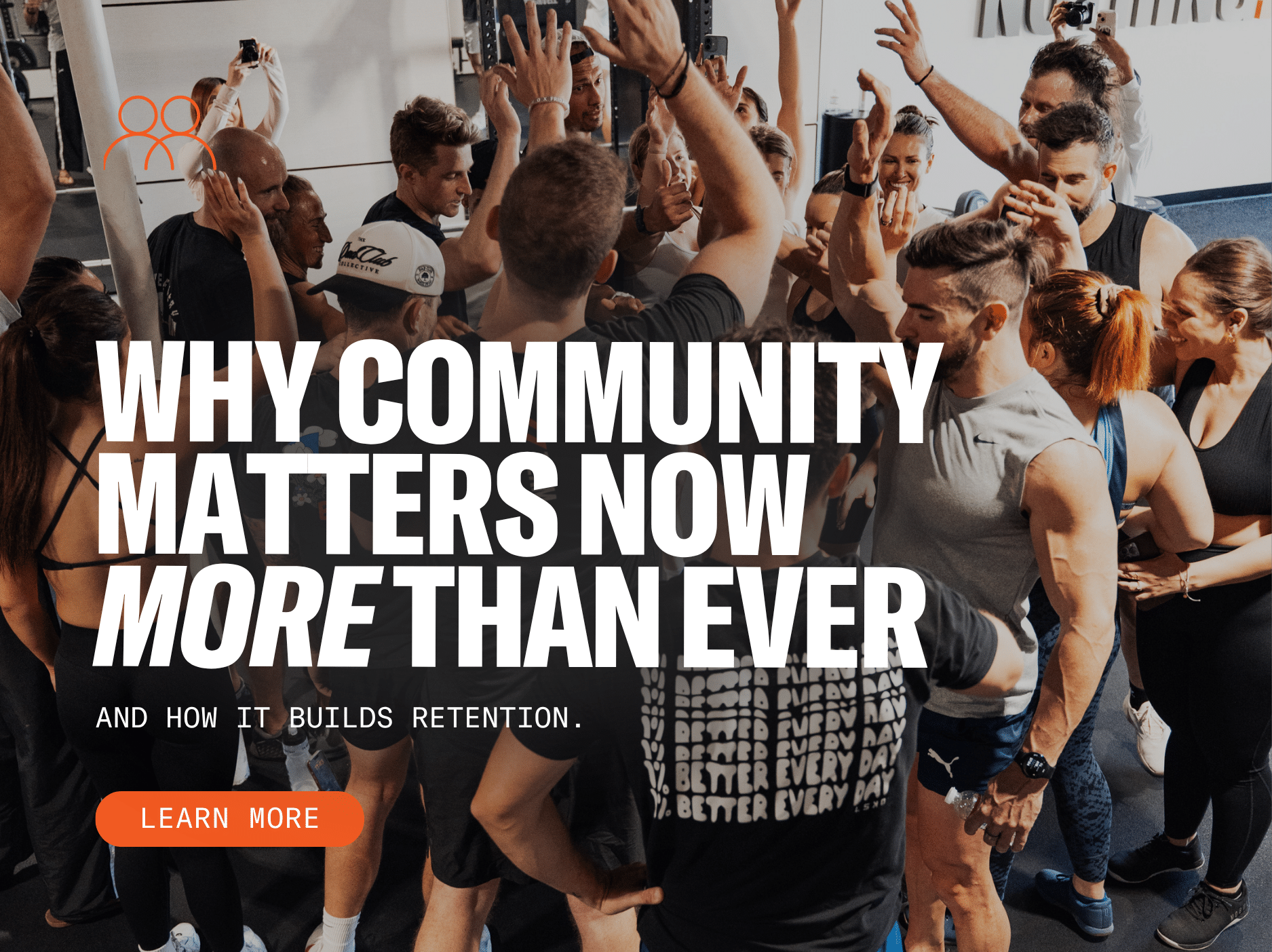
Walk into any high-performing gym today and you’ll notice something straight away. It’s not the equipment, it’s not even the [...]
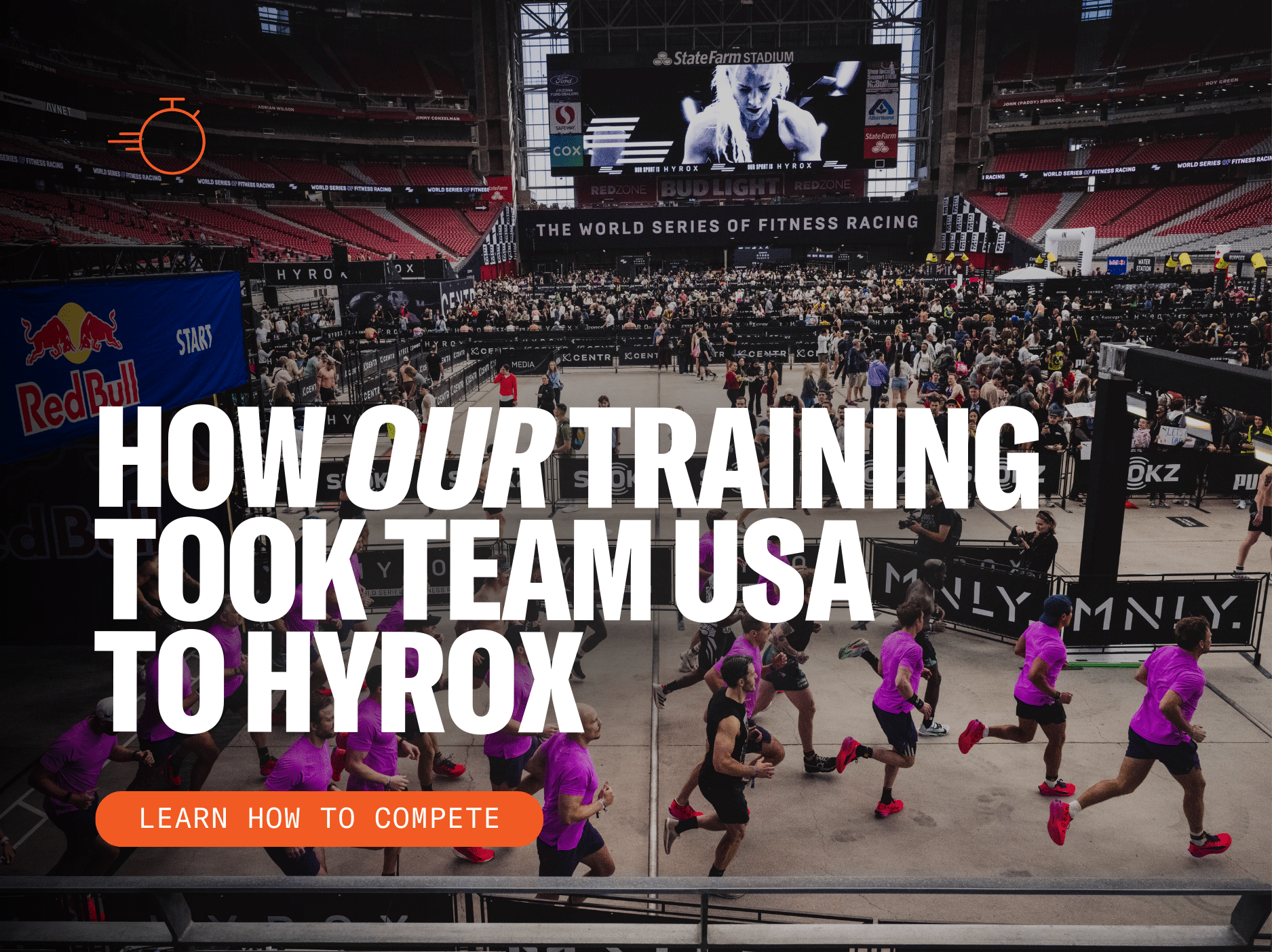
Walk into a HYROX race hall and you’ll feel it instantly. The music is loud, the crowd is packed around [...]
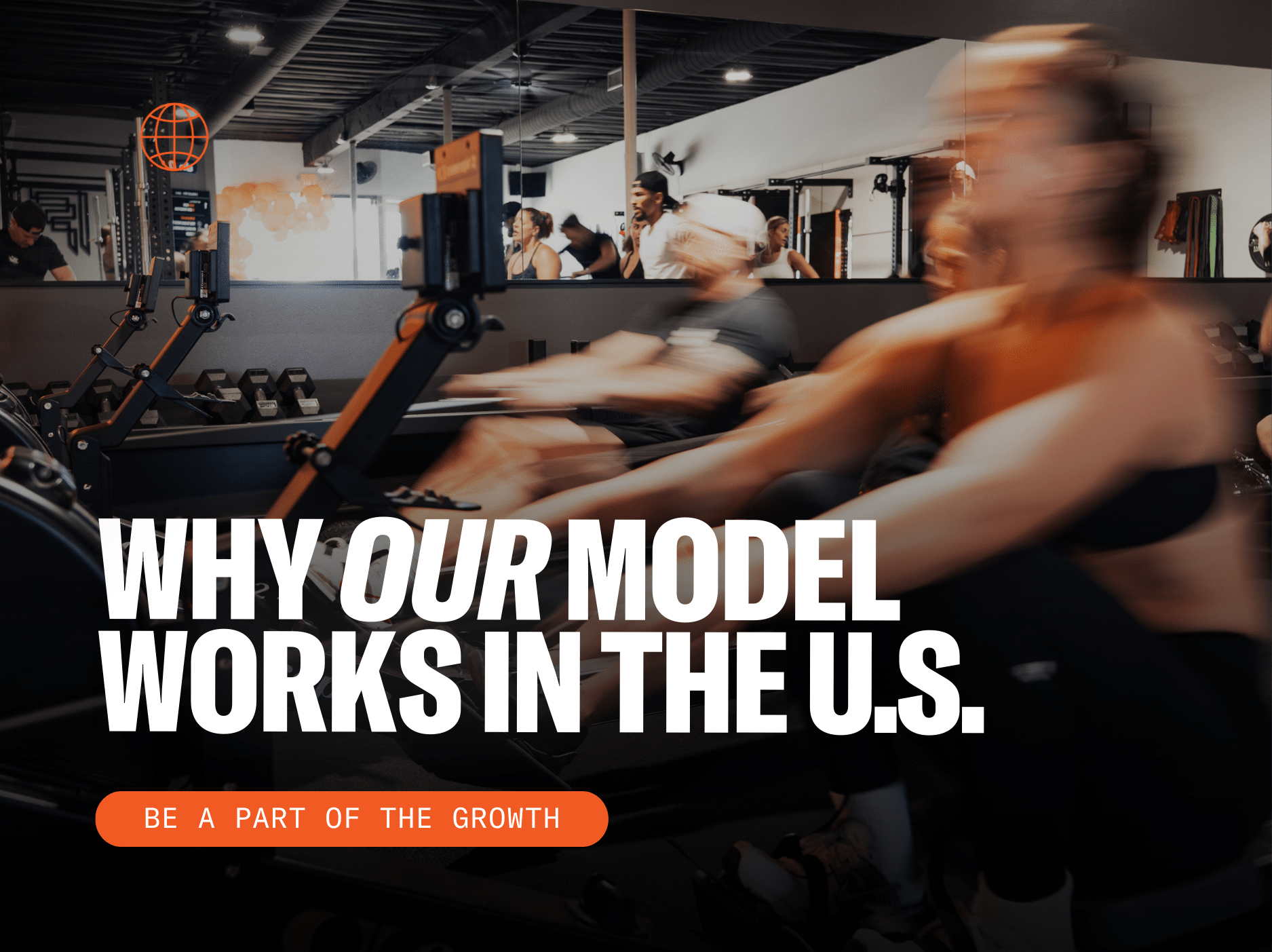
The American fitness industry moves fast. New workout trends appear every year, boutique studios rise and fall, training styles evolve [...]